Renting a bin for trash: 5 common mistakes to avoid
7 mins read
Choosing the wrong size dumpster
One of the most common mistakes is selecting a dumpster that is either too small or too large for your needs. The size of the dumpster you require largely depends on the volume and type of waste you plan to dispose of. For small cleanouts, a 10 to 15 yard dumpster is often sufficient. This size can accommodate the debris from a garage cleanout or minor landscaping projects. However, if you are undergoing a larger renovation, such as a kitchen remodel or a significant yard overhaul, you may need a 20 to 30 yard dumpster.
To avoid the hassle of overfilling a smaller bin or paying for space you don’t need in a larger one, take the time to assess your project’s scope. Consider the types of materials you’ll be discarding and how much of each you anticipate. Many rental companies can provide guidance based on your project details, helping you choose the right size for renting a bin for trash.
Overlooking the total cost of rental
Cost is a significant factor when renting a bin for trash, but many people overlook the total expenses involved. While the base rental fee typically ranges from $300 to $600, there are additional costs that can come into play. These may include fees for exceeding the weight limit, charges for specific types of waste, or costs associated with extended rental periods.
To avoid surprises, it’s crucial to discuss your project with the rental company upfront. Ask about any potential extra charges and clarify what is included in the rental price. Understanding the full scope of costs will help you budget effectively and avoid financial headaches later on.
Ignoring local regulations and permits
Another common mistake is neglecting to check local regulations regarding dumpster rentals. Depending on your location, you may need a permit to place a dumpster on a public street or sidewalk. Failing to obtain the necessary permit can lead to fines or delays in your project.
Before renting a bin for trash, check with your local municipality to understand the specific regulations in your area. If you plan to place the dumpster on private property, such as your driveway, you typically won’t need a permit. However, if it’s on a public roadway, getting the right permissions is essential to avoid complications.
Not considering placement and accessibility
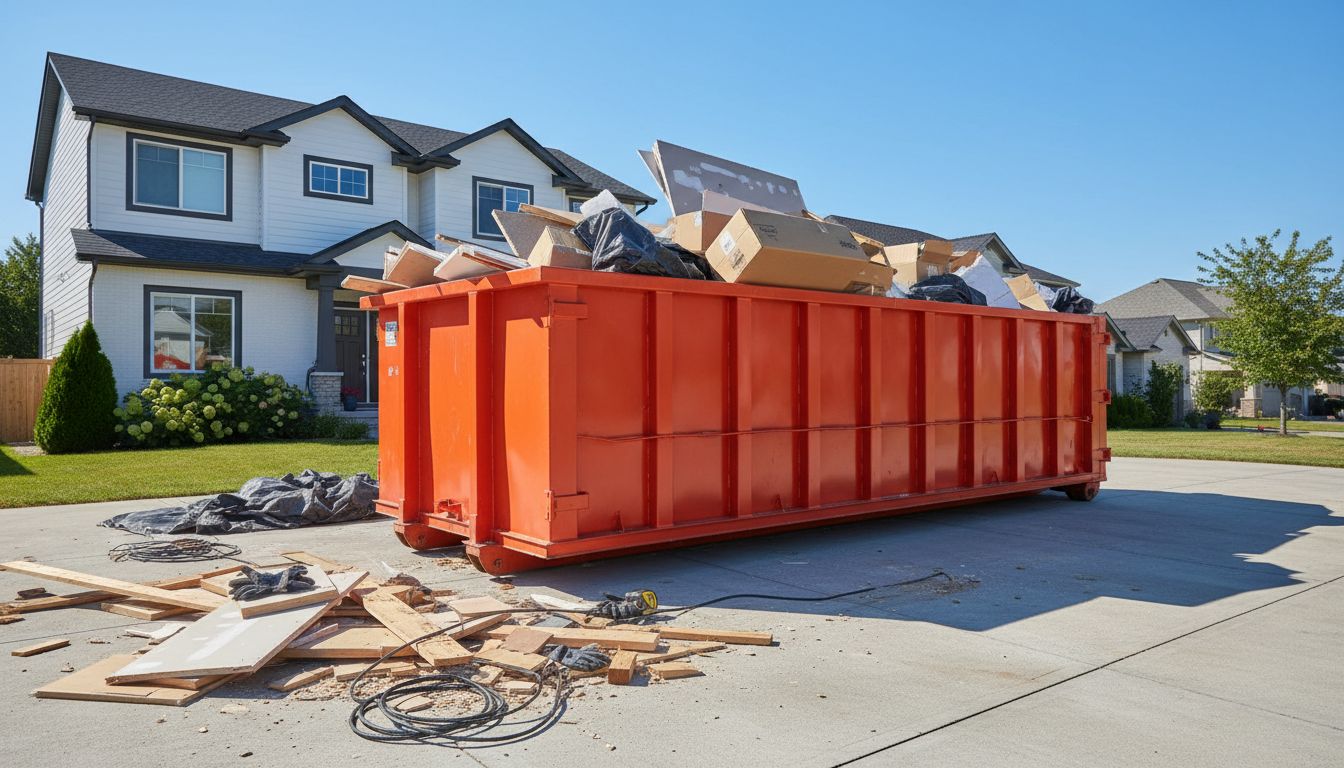
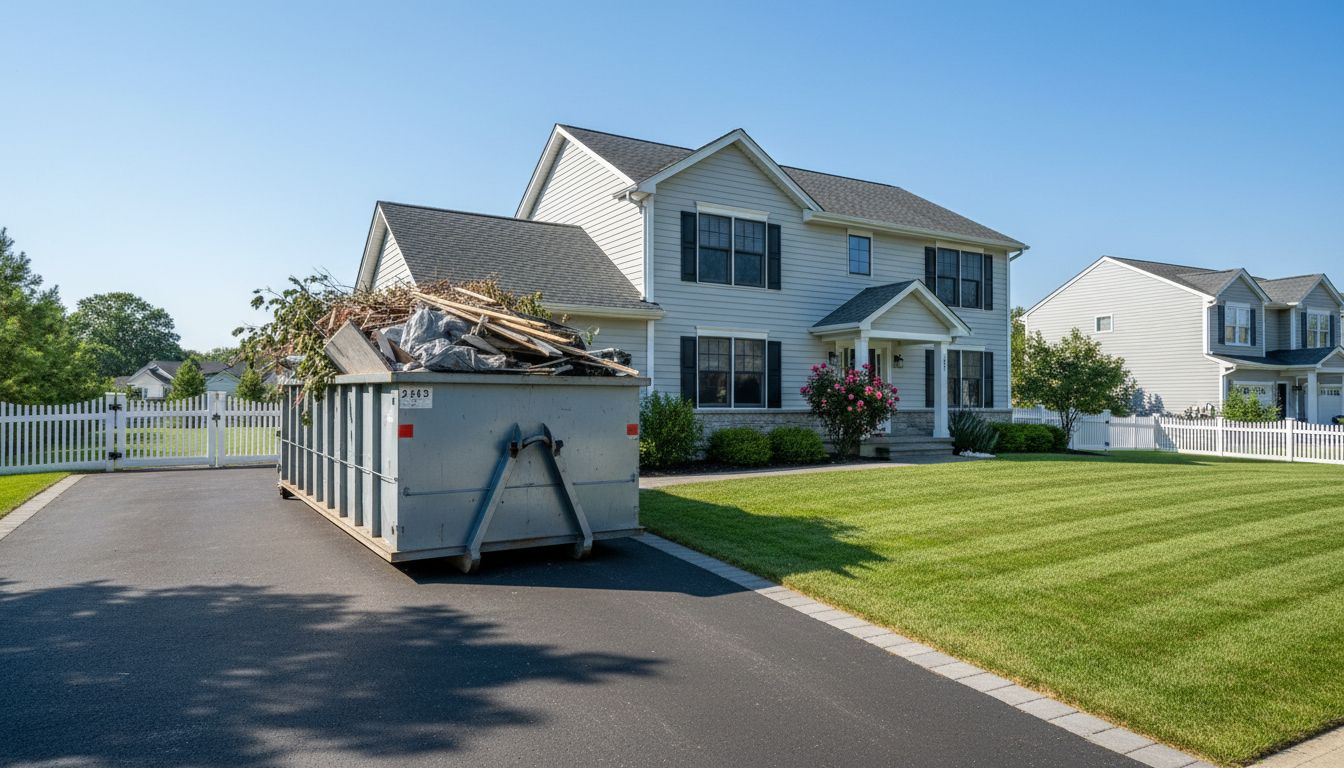
The placement of your dumpster is often overlooked but can significantly impact your project’s efficiency. Many people assume they can place the dumpster anywhere on their property, but this is not always the case. It’s important to choose a flat, stable surface for the dumpster, such as a driveway or parking lot. This ensures that the dumpster remains secure and accessible for both the delivery truck and for you as you load it.
When deciding where to place the dumpster, consider the clearance needed for the delivery vehicle. Ensure there is enough space for the truck to maneuver and that the area is free from obstacles like trees or power lines. Avoid placing the dumpster on public streets unless you have the necessary permits, as this can lead to fines or delays.
Disposing of prohibited items
When renting a bin for trash, it’s essential to know what materials you can and cannot dispose of in the dumpster. Many people mistakenly believe they can throw anything in the dumpster, but this is not the case. Most rental companies have specific guidelines regarding prohibited items, which often include hazardous materials such as chemicals, batteries, and electronics.
Before you start loading your dumpster, check with your rental service about what can be included. This will help you avoid fines and ensure that you are following local disposal regulations. Knowing the rules can save you time and prevent complications during your project.
Misunderstanding rental duration and extension policies
The rental duration is another area where misunderstandings can lead to issues. Most dumpster rental companies allow you to keep the dumpster for a period of 7 to 14 days. However, if your project takes longer than expected, you may need to extend your rental. Failing to plan for this can lead to additional fees or rushed work as you try to complete your project within the original timeframe.
Before finalizing your rental agreement, confirm how long you can keep the dumpster and what the policies are for extending the rental period. Having a clear understanding of these details will help you plan your project timeline more effectively and avoid unnecessary stress.
Navigating the dumpster rental process can be straightforward if you are aware of common mistakes and take steps to avoid them. By choosing the right size, understanding costs, checking local regulations, considering placement, knowing what materials are prohibited, and clarifying rental duration, you can ensure a smoother experience. Whether you are decluttering your home or managing a larger project, being informed will help you make the most of your dumpster rental.