7 mins read
Choosing the Right Size for Your Project
Determining the appropriate size for your dumpster rental is crucial to avoid overpaying or running out of space mid-project. The size of the dumpster you need largely depends on the volume of waste you anticipate generating. For smaller cleanouts, a 10 to 15 yard container is often sufficient. This size is ideal for projects like clearing out a garage or small basement.
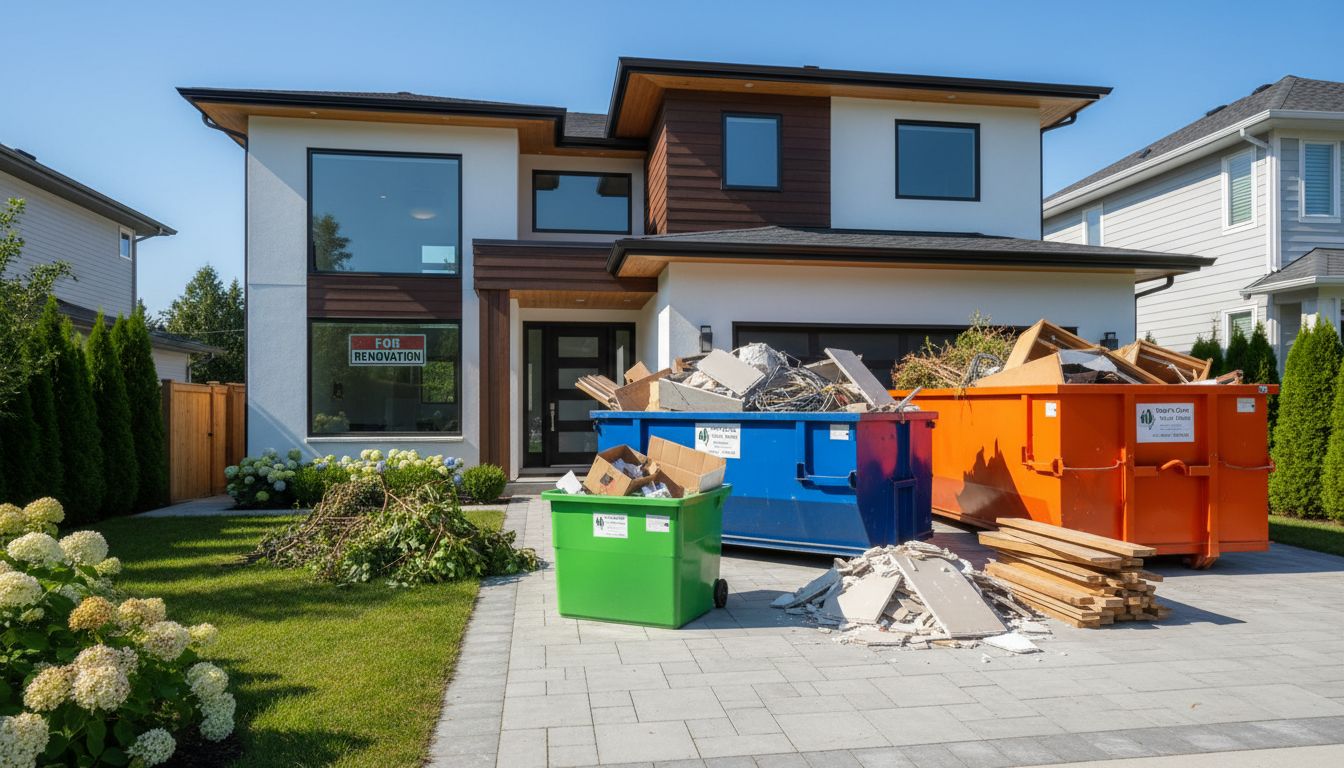
If you are planning a larger renovation or construction project, you may need a 20 to 30 yard dumpster. These larger containers can accommodate significant amounts of debris, such as old furniture, drywall, or large quantities of yard waste. Assess the scope of your project carefully; if you are unsure, consult with your dumpster rental service for guidance on the right size based on your specific needs.
Understanding the Costs Involved
The cost to rent a dumpster can vary widely based on several factors, including the size of the container, the rental duration, and your location. On average, you can expect to pay between $300 and $600 for a standard rental. However, prices can fluctuate depending on demand, the type of waste being disposed of, and any additional services you may require.
It’s important to ask about potential hidden fees that could affect your total cost. For instance, exceeding weight limits or disposing of prohibited items can lead to extra charges. To ensure you get the best value, compare quotes from different dumpster rental services in your area. This will help you find a provider that meets your budget without compromising on service quality.
Navigating Permits and Local Regulations
Before you rent a garbage container, it’s essential to check if you need a permit. Local regulations can vary significantly, and some municipalities require permits for dumpster placement, especially if the container will be on a public street or sidewalk. Failing to secure the necessary permits can lead to fines or delays in your project.
Contact your local municipality or waste management authority to determine the specific requirements in your area. They can provide information on permit applications, fees, and any restrictions on dumpster placement. Being proactive about this step can save you time and money in the long run.
Knowing What You Can and Cannot Dispose Of
When renting a dumpster, it’s crucial to understand what materials are acceptable for disposal. Most rental services allow you to dispose of common household debris, construction waste, and yard waste. However, hazardous materials such as chemicals, batteries, and electronics are typically prohibited. Improper disposal of these items can lead to hefty fines and environmental issues.
Always check with your dumpster rental company for specific guidelines regarding acceptable materials. They can provide a detailed list of what you can and cannot put in the container, ensuring you stay compliant with local regulations and avoid any additional charges.
Planning for Delivery and Pickup
Once you’ve selected the right size dumpster and secured any necessary permits, it’s time to plan for delivery and pickup. Most rental companies will provide a delivery window, so it’s important to be prepared for the container's arrival. Choose a location that is easily accessible for the delivery truck, such as a flat driveway or parking lot, and ensure it is free of obstacles like trees or power lines.
When it comes to pickup, the rental company will typically schedule a time to collect the dumpster once you’ve filled it. If you find that you need the dumpster for a longer period, many companies offer rental extensions for an additional fee. Be sure to communicate your needs clearly with the rental service to avoid any misunderstandings.
Making the Most of Your Rental Period
The typical rental period for a dumpster ranges from 7 to 14 days, depending on the company’s policy. If you anticipate needing more time, it’s wise to discuss this upfront. Having a clear understanding of your project timeline will help you make the most of your rental period and avoid unnecessary costs.
During the rental, keep in mind that filling the dumpster efficiently can save you time and money. Try to break down larger items to maximize space and ensure that you are utilizing the container effectively. If you find that you are running out of space, consider whether you need to rent an additional container rather than overloading the one you have, which could lead to extra fees.
Renting a garbage container can be a practical solution for managing waste during various projects. By understanding the size you need, the costs involved, and the regulations in your area, you can make informed decisions that will streamline your experience. Whether you are cleaning out a home, renovating a space, or managing a construction site, being prepared will help you navigate the process smoothly.