7 mins read
Understanding the Cost-Effectiveness of Renting a Dumpster
When considering how to dispose of renovation debris, many homeowners weigh the option of going to the dump against renting a dumpster. While it may seem like a straightforward choice, renting a dumpster is often the more economical solution, especially for larger projects. Going to the dump can incur costs related to fuel, time, and potential disposal fees that can quickly add up.
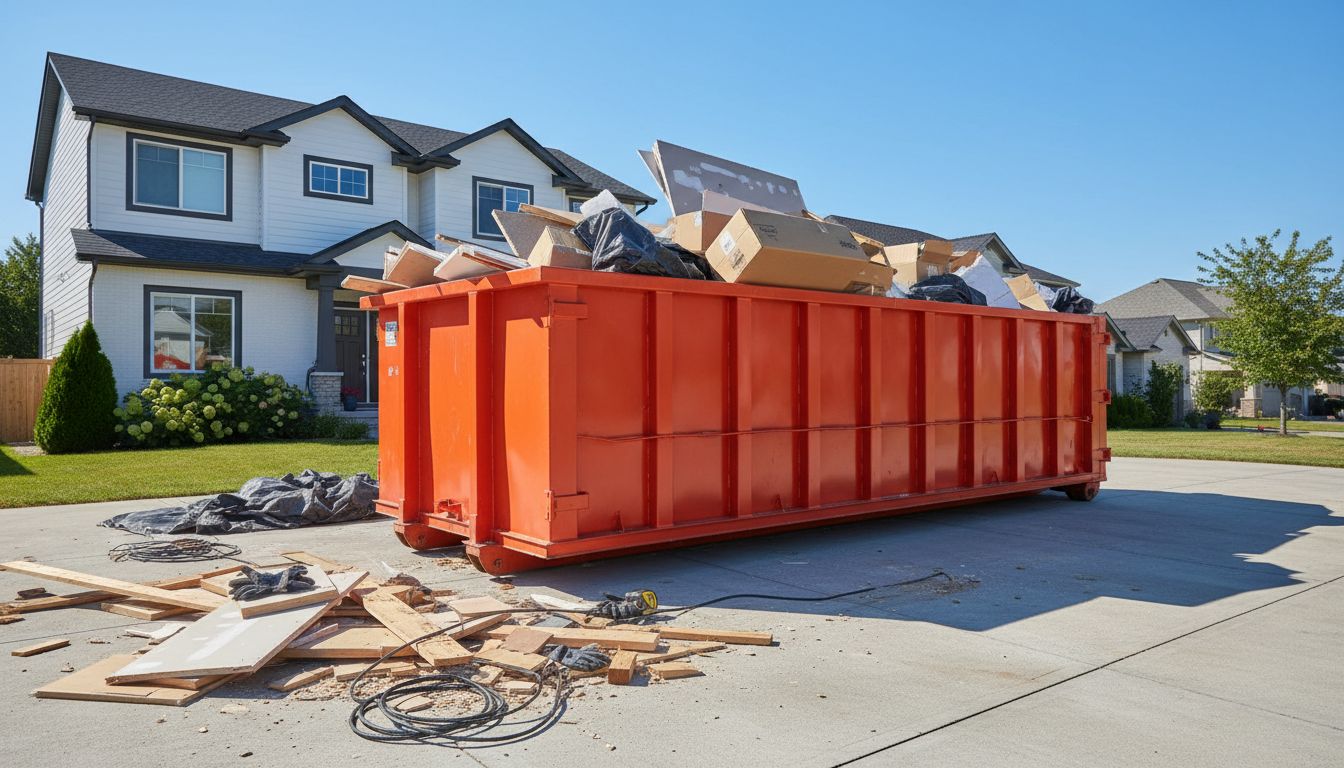
With a dumpster rental service, you have the convenience of having the dumpster delivered directly to your location. This not only saves you time but also allows for a more organized cleanup process. You can load the dumpster at your own pace, without the pressure of making multiple trips to the dump. For those looking to save money, it's worth comparing the costs of a rental against the cumulative expenses of self-disposal.
Evaluating Your Junk Removal Options
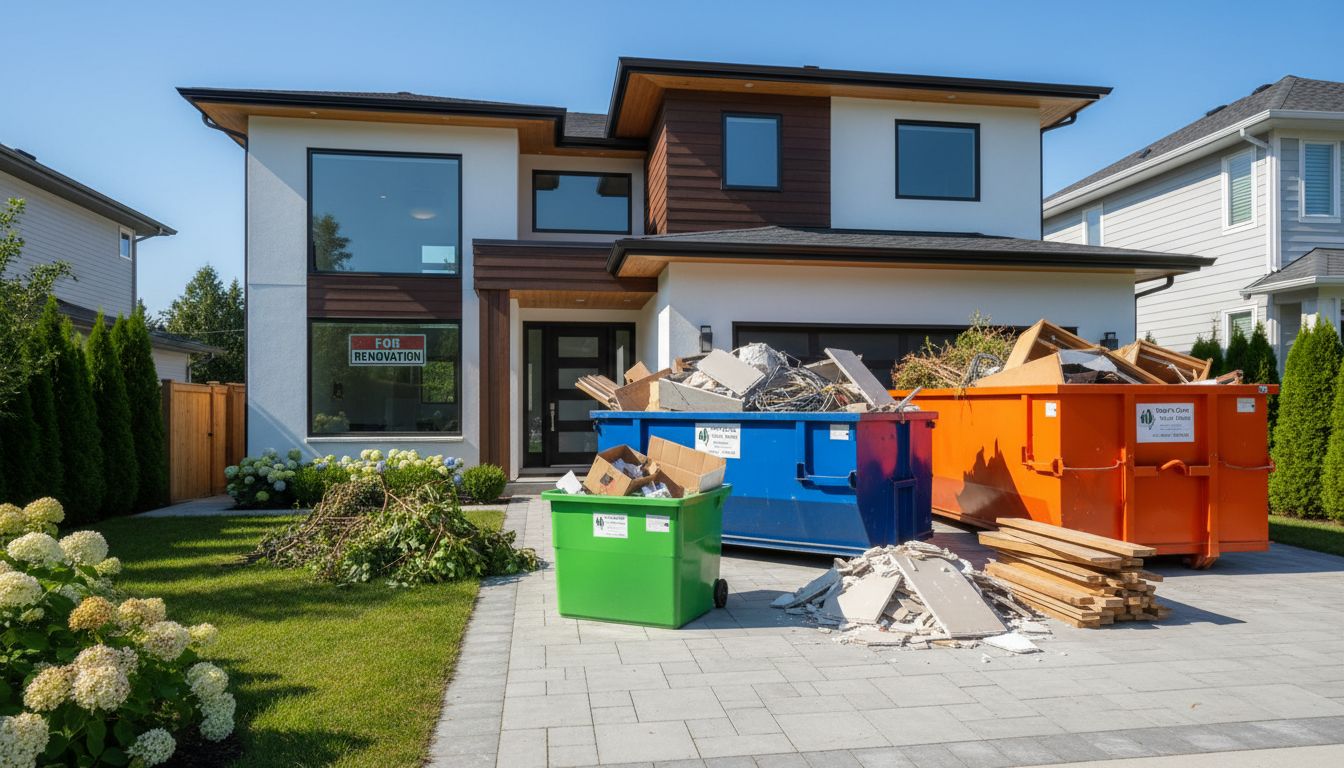
If you're looking for the cheapest way to get rid of junk for free, renting a dumpster from a local service is an excellent choice. Many rental companies offer competitive pricing, and some even have special promotions that can further reduce costs. This option allows you to dispose of large quantities of waste efficiently, making it ideal for home renovations.
Before you decide, assess the volume of debris you'll be generating. If you have a significant amount of waste, renting a dumpster can often be more cost-effective than other disposal methods. Additionally, inquire about flexible rental periods that can accommodate your project timeline, as this can further enhance savings.
Determining the Right Size for Your Project
Choosing the right dumpster size is crucial for a successful renovation. The size of the dumpster you need will depend largely on the scope of your project. For smaller renovations, such as a bathroom update, a 10-yard dumpster is typically sufficient. This size can hold about three pickup truck loads of debris, making it perfect for minor projects.
For larger renovations, such as kitchen remodels or significant home additions, a 20-yard dumpster may be more appropriate. This size can accommodate larger items and more substantial volumes of waste. It's always best to consult with your local dumpster rental service to get tailored advice based on your specific project needs. They can provide a dumpster size chart that helps you visualize your options and make an informed decision.
Understanding Rental Periods and Fees
When renting a dumpster, it's essential to understand the rental periods offered by your provider. Most dumpster rental services allow you to keep a rented dumpster for about 7 to 14 days. However, some companies may offer flexible options for longer projects, which can be beneficial if your renovation takes longer than anticipated.
Be aware that there may be additional fees associated with your rental. Common charges include overage fees for exceeding weight limits, costs for extra days beyond the rental period, and fees for disposing of prohibited items. To avoid surprises, clarify these potential charges with your rental provider upfront. This will help you budget more accurately and ensure a smooth rental experience.
Navigating Permits and Placement Considerations
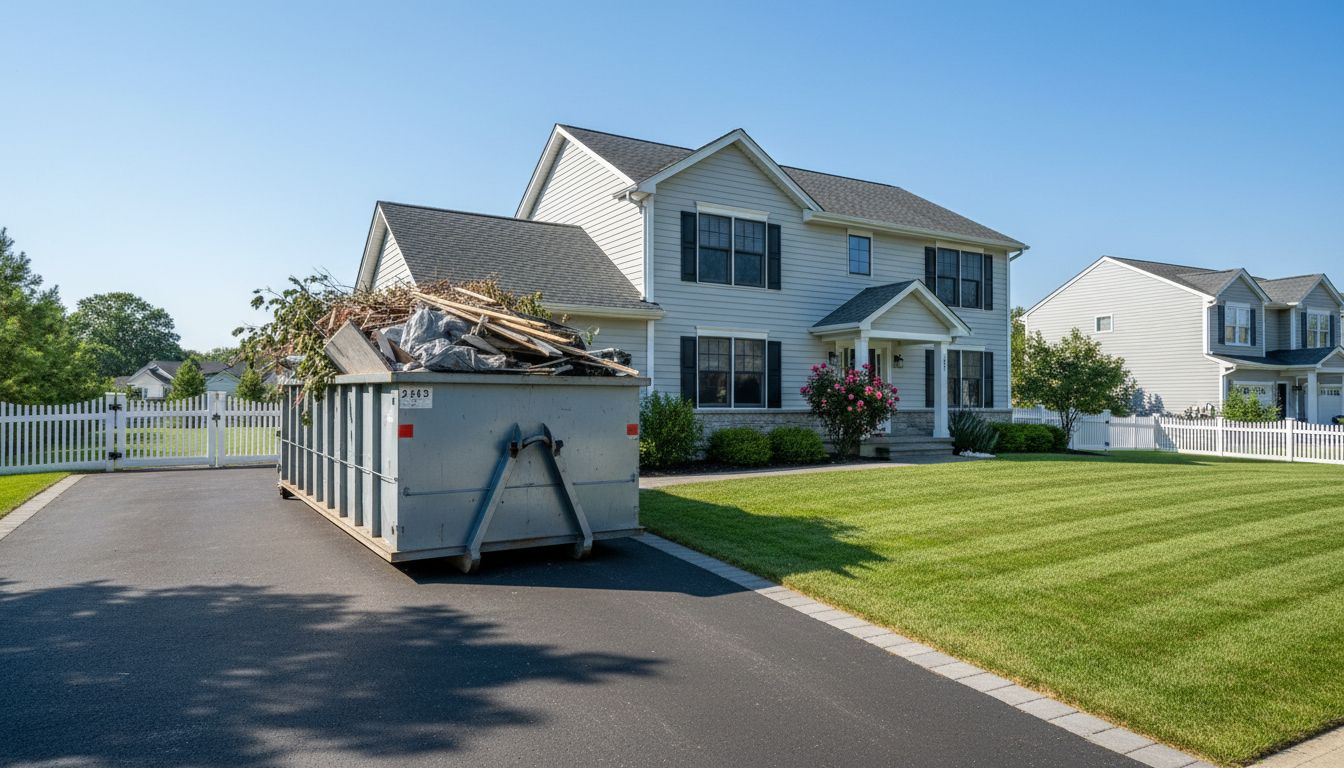
Before you have your dumpster delivered, it's important to consider where it will be placed. Ideally, the dumpster should be positioned in a location that is easily accessible for both loading and pickup. However, if you need to place it on public property, such as a street or sidewalk, you may require a permit from your local government.
Each municipality has its own rules regarding dumpster placement, so it's a good idea to check with local waste services to understand what is required. If you do need a permit, your dumpster rental service may be able to assist you with the application process, making it easier for you to comply with local regulations.
Knowing What You Can and Cannot Dispose Of
When renting a dumpster, it's crucial to understand the types of materials that are prohibited from disposal. Most dumpster rental services have restrictions on hazardous materials, electronics, tires, and certain types of construction debris. Familiarizing yourself with these restrictions will help you avoid additional fees or complications during the disposal process.
If you have items that fall under the prohibited category, consider alternative disposal methods. Many local waste services offer specialized programs for hazardous waste or electronic recycling. By knowing what you can and cannot dispose of in your rented dumpster, you can plan your project more effectively and ensure compliance with local regulations.
Choosing the right dumpster rental service for your home renovation involves careful consideration of your project's needs, budget, and local regulations. By understanding the cost-effectiveness of renting a dumpster, evaluating your options, determining the right size, and being aware of rental periods and fees, you can make an informed decision that enhances your renovation experience.